
In shopping malls, commercial streets, and core urban areas, consumers encounter vast amounts of advertising every day. Traditional flat ads have broad coverage, but in information-dense environments they are easily drowned out by surrounding content. By contrast, glasses-free 3D display screens build a more three-dimensional visual effect through spatial depth, depth of field, and dynamic imagery, offering commercial advertising a more impactful way to present content.
From brand exposure to content dissemination, glasses-free 3D advertising does more than make images "look more stereoscopic"—more importantly, it changes the way consumers visually interact with advertising content. For companies seeking to boost the appeal of outdoor advertising and brand recall, this is a key reason glasses-free 3D display technology has attracted attention.
Why Do Glasses-Free 3D Display Screens Easily Attract Attention?
The first problem commercial advertising must solve is making consumers willing to stop and watch.
Traditional flat ads usually attract eyes with images, text, colors, and brand elements, while glasses-free 3D display screens can go further, using the picture's spatial layers to create visual contrast.
For example, a car can present the visual sensation of "driving out of the screen" through perspective effects; a product can gradually approach the viewer from virtual space; large animals, robots, or characters can also form more pronounced three-dimensional presence through depth-of-field changes.
This dynamic spatial effect allows the same advertising screen to establish a stronger visual presence in commercial environments.
Dynamic Content Forms Visual Focal Points More Easily Than Static Ads
Glasses-free 3D ads usually use dynamic video rather than simply displaying static product images.
When the subject in the picture moves, scales, rotates, or switches between foreground and background, viewers naturally attend to the changes. Especially on large outdoor screens, well-designed spatial perspective can further amplify an ad's visual impact.
The advantage of glasses-free 3D advertising, therefore, lies not just in the word "3D," but in the combined effect of large-format display + dynamic content + spatial visual design.
Glasses-Free 3D Ads Make Product Display More Intuitive
For many brands, one of the biggest limitations of traditional advertising is the limited dimensionality of product display.
A flat picture can show a product's appearance, but consumers can only view it from one fixed angle.
Glasses-free 3D content can use different visual layers to display product structure and details.
For example, car brands can show vehicles in motion from different angles; consumer electronics brands can showcase technical features through product teardowns, rotations, and internal-structure animations; jewelry and watches can highlight materials, details, and design through close-range visual effects.
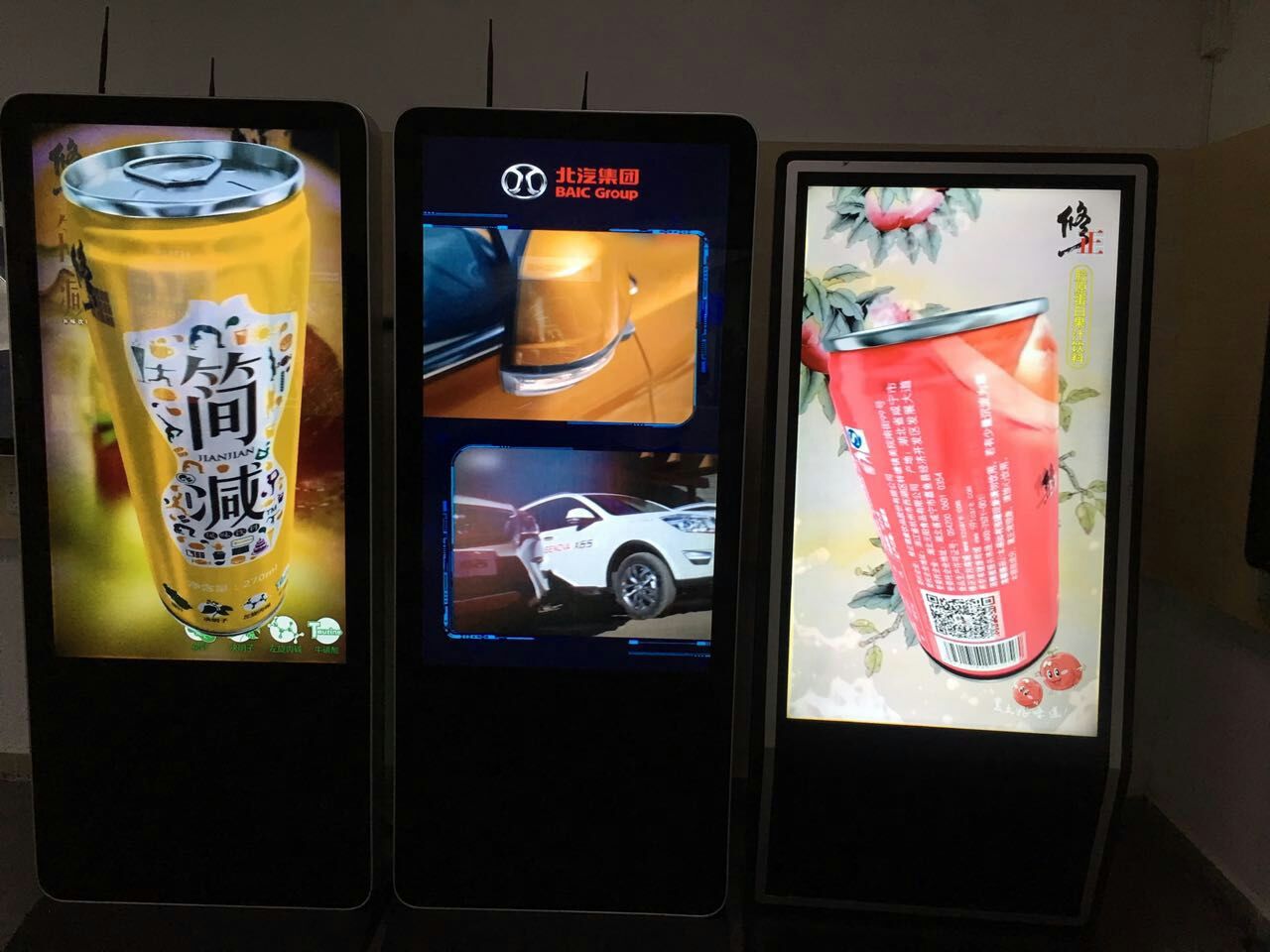
This makes glasses-free 3D display screens suitable not only for brand exposure but also for visual product display.
Why Do Glasses-Free 3D Ads Form Brand Memories Easily?
Advertising communication is not simply about making consumers "see."
Truly valuable ads also need consumers to recall the brand after leaving the advertising environment.
Glasses-free 3D ads have strong visual recognition characteristics. When a brand uses creative content with an obvious sense of space, what consumers see is not just a logo or a slogan, but a dynamic experience with distinctive visual features.
For example:
A brand logo gradually emerging from the depths of the screen;
A product breaking through the frame to create a visual illusion;
Virtual characters interacting with real architectural surroundings;
Products moving between different spatial layers;
Brand IP forming a unique visual image through 3D animation.
All of these can become visual memory points in brand communication.
Glasses-Free 3D Display Screens Are Especially Suited to City Landmark Advertising
Core urban business districts are typical application scenarios for glasses-free 3D advertising.
Large commercial buildings usually have sizable LED display screens, and the building facades themselves have certain structural characteristics. With properly designed ad content, screen edges, building corners, and perspective relationships can all participate in the presentation.
This form allows the advertising content to connect with the architectural space.
Glasses-free 3D display screens can therefore be applied to:
Commercial complexes
Shopping centers can use glasses-free 3D ads to showcase new brand products, holiday events, IP collaborations, and promotional content.
Urban commercial streets
In high-foot-traffic commercial street areas, large glasses-free 3D ads can become part of the urban visual landscape, providing brands with greater exposure.
Brand flagship stores
Brands can combine glasses-free 3D content with store facades, extending product display from inside the store into the street space.
Airports and transit hubs
Airports, high-speed rail stations, and similar venues have high foot traffic and longer dwell times, and are also well suited to brand communication through dynamic visual content.
Glasses-Free 3D Does Not Mean All Content Suits 3D
Although glasses-free 3D has strong visual effects, the ad content itself still determines the final communication outcome.
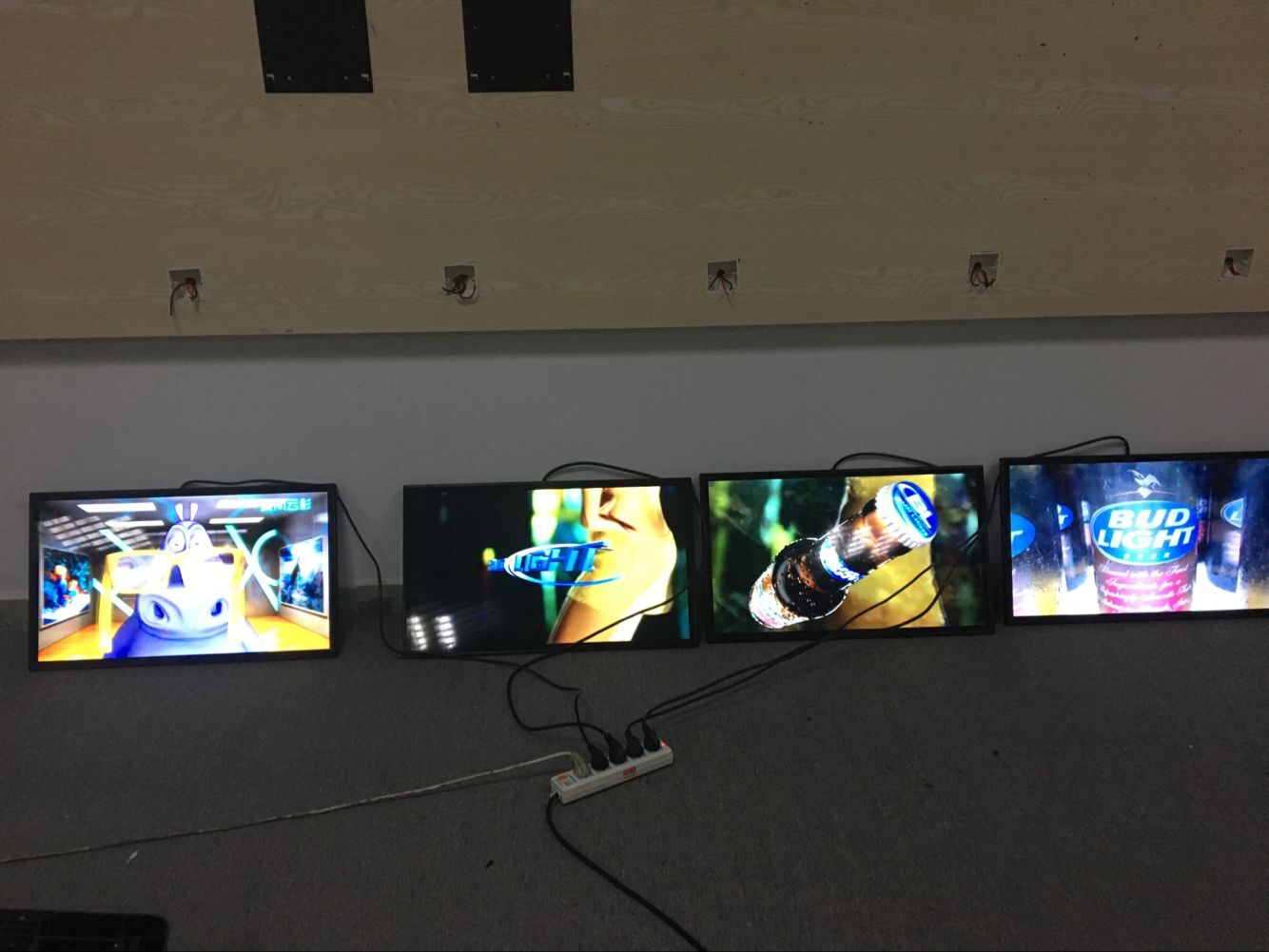
Simply converting an ordinary 2D ad into so-called "3D imagery" often fails to fully leverage the display equipment's advantages.
Excellent glasses-free 3D ads are usually designed specifically around spatial relationships, for example:
Creating distinct layers among foreground, middle ground, and background;
Establishing spatial relationships between the subject and the screen edges;
Using perspective scale to create visual depth;
Controlling motion speed and shot changes;
Naturally integrating brand elements into the visual story;
Highlighting the product or logo at key moments.
The display device is only the carrier; content creativity is a crucial component of a glasses-free 3D ad's effectiveness.
How Do Glasses-Free 3D Ads Boost Social Media Spread?
Glasses-free 3D ads have another obvious characteristic: they readily generate content suited to short-video sharing.
When a large screen plays an ad with a strong sense of space, on-site audiences often film it with their phones. After being re-shared via social media, short-video platforms, or brand accounts, one advertising screen's reach can extend from the on-site crowd to online users.
This forms a fairly typical propagation path:
On-site display → user filming → social media sharing → secondary spread → brand exposure.
Of course, actual spread is influenced by content creativity, the on-site environment, platform algorithms, and user interests, so one cannot simply assume every glasses-free 3D ad will automatically generate massive propagation.
But in terms of content form, ads with obvious visual contrast are indeed more likely to be filmed and shared.
Which Brands Suit Glasses-Free 3D Display Screens?
In terms of ad content, glasses-free 3D is not limited to any single industry.
Well-suited brand types include:
Automotive brands;
Phone and consumer electronics brands;
Sports brands;
Luxury and jewelry brands;
Cosmetics brands;
Food and beverage brands;
Gaming and entertainment brands;
Film and IP brands;
Commercial real estate;
New product launches and large-scale marketing campaigns.
Among these, brands with strong visual recognition or a need for new-product showcases are usually better positioned to leverage the advantages of glasses-free 3D content.
What Should Businesses Consider When Choosing Glasses-Free 3D Display Screens for Commercial Advertising?
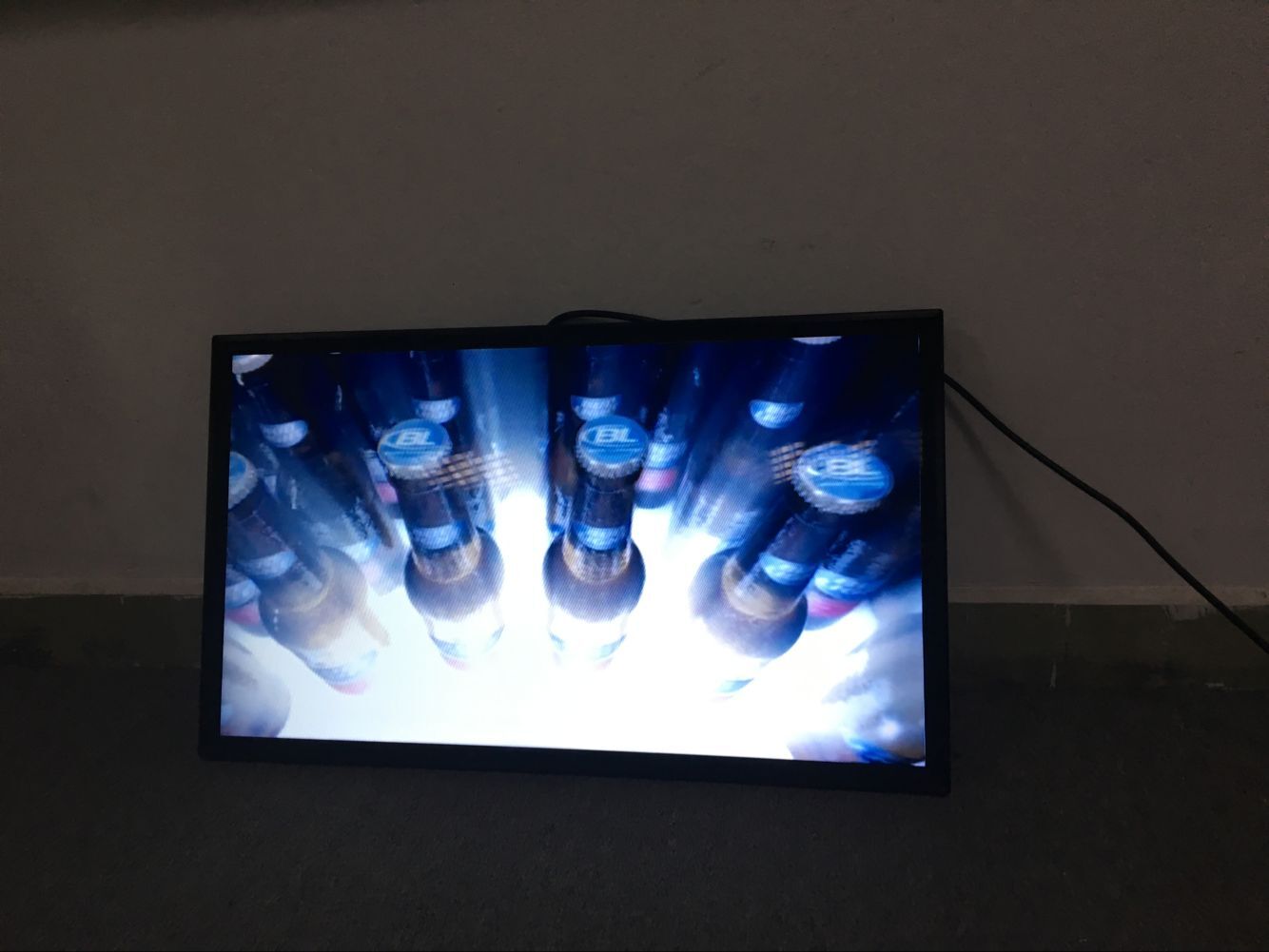
If a company plans to build a glasses-free 3D advertising project, it cannot focus only on screen size.
During procurement, it should also comprehensively consider:
Screen size: determines the visual coverage of the ad content.
Resolution: affects the display of high-precision products and detailed imagery.
Brightness: outdoor applications especially require consideration of ambient light changes across different times of day.
Viewing distance: screen size, pixel pitch, and content design must match the actual viewing area.
Refresh rate: with considerable dynamic ad content, motion performance needs attention.
Reliability: commercial advertising equipment usually runs for long periods, so stability and thermal design are very important.
Content compatibility: the playback system must stably support the video formats and playback solution used by the project.
Maintainability: large commercial display projects require consideration of later repairs, module replacement, and remote management.
The Advertising Value of Glasses-Free 3D Goes Beyond "Eye-Catching"
The true commercial value of glasses-free 3D display screens is not simply making ads more three-dimensional, but changing how ad content is presented through display technology.
It can help brands establish visual focal points in information-dense commercial environments, enhance product display through spatial depth and dynamic content, and further create recognizable visual memories for the brand.
For city landmarks, commercial complexes, flagship stores, and large brand events, glasses-free 3D display screens are particularly suited to high-exposure brand communication tasks.
However, the final effect still depends on the coordination among display hardware, installation environment, content creativity, viewing distance, and the playback system. Only by considering all these factors together can glasses-free 3D advertising truly transform from a "cool-looking" visual display into a brand communication tool with real commercial value.
Looking for Commercial Glasses-Free 3D Display Solutions?
FreeGlass3D (Shenzhen ZXT LCD Technology Co., Ltd.) designs and manufactures commercial-grade autostereoscopic 3D monitors, spatial digital signage, and multi-view 3D video walls with 4K/8K resolution and eye-tracking options for retail, exhibitions, transport, and DOOH projects.